
A business with employees in Boston, Providence and Portland may need three different state leave processes. An employee changing jobs across a state line may encounter different eligibility rules, even when the reason for taking leave stays the same.
The federal Family and Medical Leave Act is the same throughout New England. Eligible workers generally receive up to 12 workweeks of unpaid, job-protected leave for qualifying reasons. State laws and insurance programs add different protections and payment options. Federal FMLA overview
This guide describes the main programs as of October 13, 2026. For each situation, check three things separately: eligibility for time away, eligibility for payment, and the right to return to work.
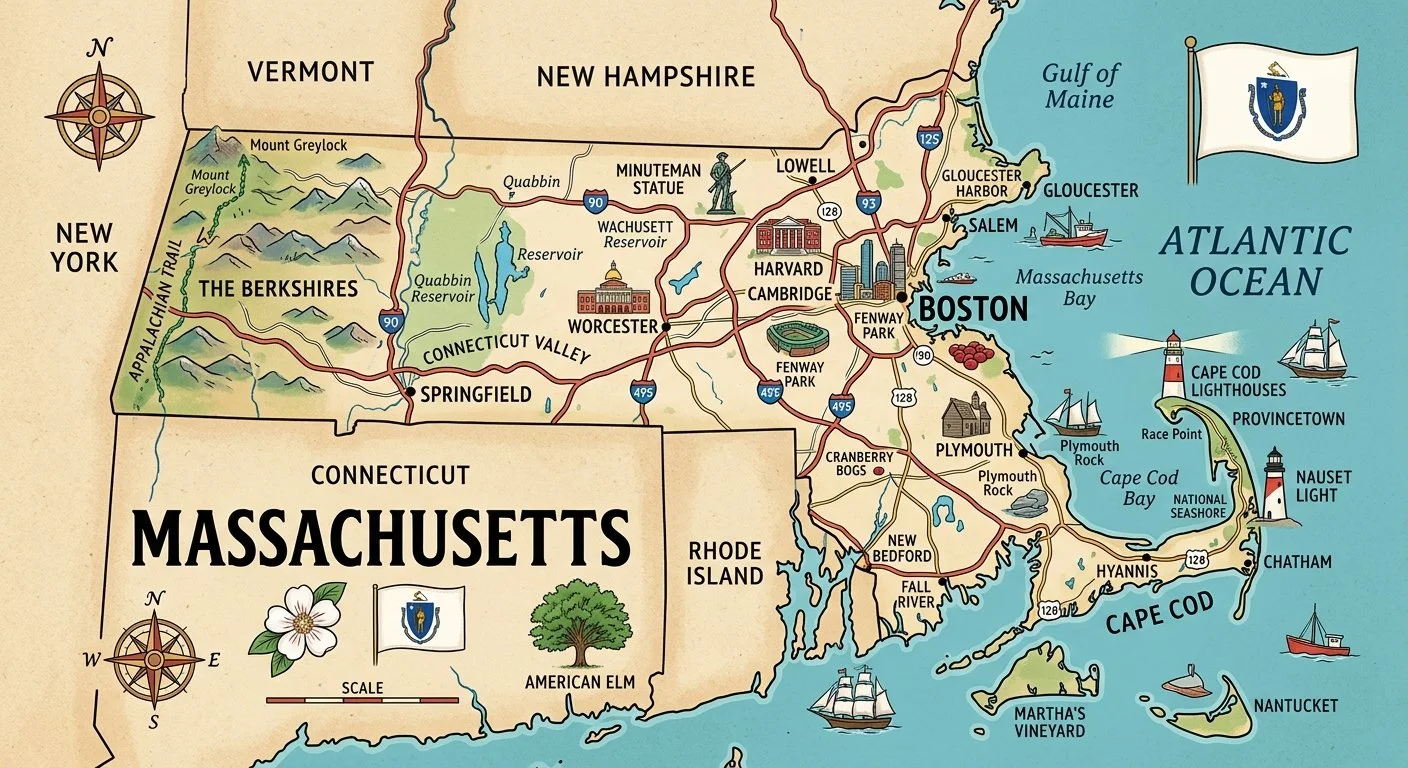
Massachusetts
Massachusetts PFML generally covers eligible workers through the state program or an approved private plan. It offers partial wage replacement and job protection, with up to 20 weeks of medical leave, 12 weeks of family leave and a combined 26-week maximum per benefit year. Military caregiving can qualify for up to 26 weeks within that cap. Massachusetts PFML benefits
Eligibility uses an earnings test rather than the federal one-year service requirement: for 2026, at least $6,300 in the last four completed calendar quarters and at least 30 times the weekly benefit amount. Employer size affects contribution obligations; fewer than 25 covered workers does not automatically remove employees from coverage. Some employment categories are excluded. Employee eligibility toolkit and contribution rules
Rhode Island
Rhode Island's Parental and Family Medical Leave Act can provide 13 consecutive workweeks of unpaid leave in any two calendar years. It generally covers private employers with 50 or more employees, the state, and municipal employers with at least 30 employees. Eligible workers need 12 consecutive months of employment averaging at least 30 hours weekly. RI leave regulations
Separately, TCI provides qualifying caregiving and bonding benefits for up to eight weeks in 2026. TDI addresses the worker's own qualifying illness or injury, potentially for up to 30 weeks depending on the claim. Both require covered earnings. TCI includes job protections; TDI alone generally does not. RI benefit rules and employment protections
Connecticut
CT FMLA generally covers employers with at least one employee, subject to exceptions. Eligible employees ordinarily qualify after three consecutive months and can receive 12 weeks of job-protected leave in a 12-month period, plus two weeks for qualifying pregnancy-related incapacity. Military-caregiver leave can extend to 26 weeks. CT FMLA guidance
CT Paid Leave supplies income replacement under separate rules, generally up to 12 weeks with the possible pregnancy-related extension. Eligibility includes at least $2,325 in the highest-earning quarter of the base period and current covered employment or covered employment within the preceding 12 weeks. Public-sector and school rules require specific attention; non-certified school employee coverage expanded October 1, 2025. CT Paid Leave eligibility
New Hampshire
New Hampshire's Paid Family and Medical Leave program uses voluntary insurance. Coverage is not automatic for every worker. Participating employer plans can provide six or 12 weeks of benefits; the individual plan provides six weeks, generally replacing 60% of covered wages within the program's limits. Enrollment and waiting periods matter. NH program fact sheet and worker guide
New Hampshire law requires employers with at least 50 employees that sponsor the program to restore employees accessing its benefits to the same or an equivalent job, consistent with federal FMLA restoration provisions, and continue health insurance. Check the applicable protection rather than assuming every insurance participant is covered. NH employment protection statute
Vermont
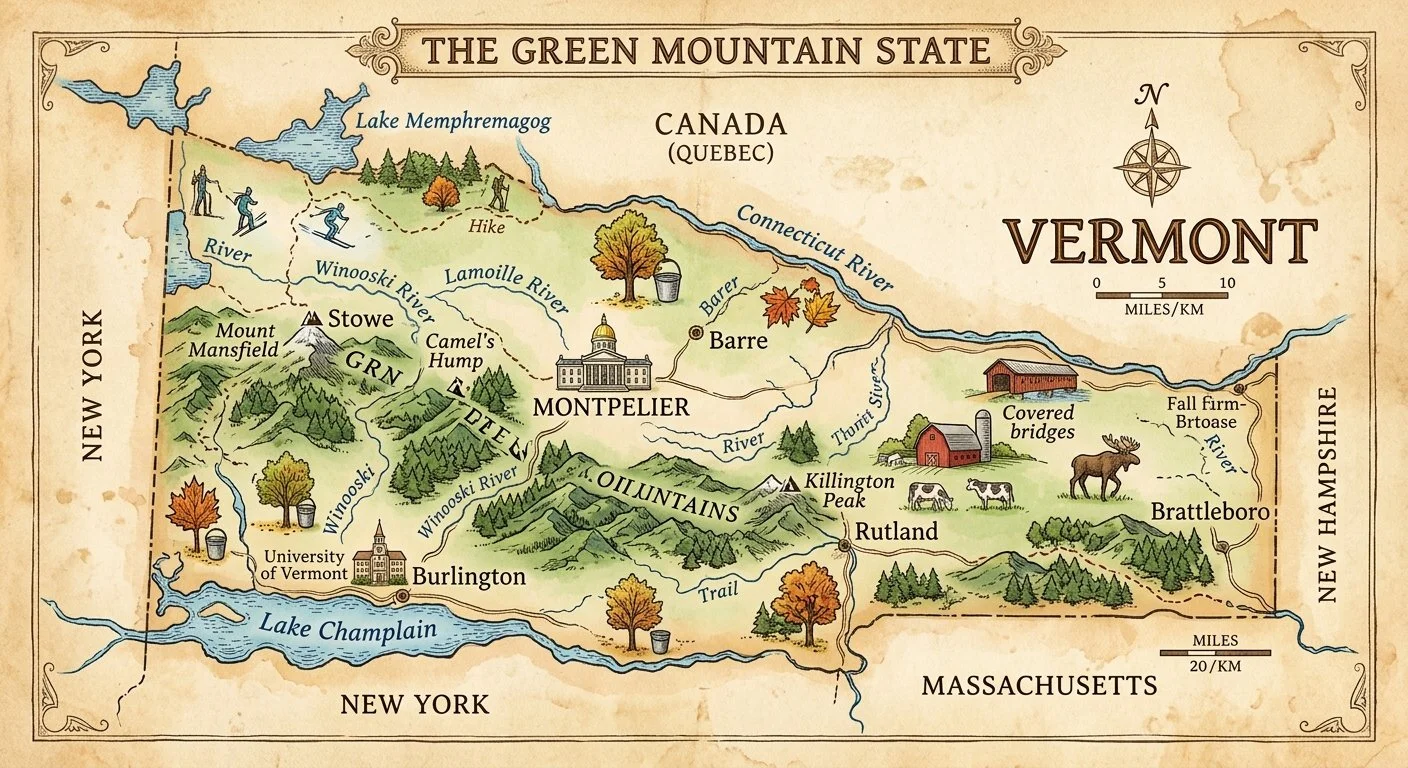
Vermont provides up to 12 weeks of qualifying unpaid leave. Covered-employer thresholds differ: generally 10 qualifying employees for parental leave and 15 for family leave. Employees ordinarily need a year averaging at least 30 hours weekly. The expanded law, effective July 1, 2025, also includes safe leave, bereavement and military exigencies, with special eligibility and duration rules. Vermont expanded leave guidance
Vermont's voluntary Family and Medical Leave Insurance is separate. Individual purchasing coverage began January 1, 2026 and offers six weeks at 60% wage replacement, subject to limits and policy terms. Do not assume the existence of the program means an employee has enrolled. Vermont individual insurance announcement
Maine
Maine PFML benefits began May 1, 2026. Eligible workers can receive up to 12 weeks of partial wage replacement per benefit year. The earnings test is six times the state average weekly wage during the base period; job restoration generally requires 120 consecutive days with the employer. Maine employee FAQ
Maine's older unpaid family-medical-leave law also remains relevant, generally providing up to 10 workweeks in two years after 12 consecutive months at a qualifying worksite with at least 15 employees. Special rules apply to school employees. Maine unpaid leave statute
Build one clear plan for each leave
These programs often overlap when the same absence qualifies, so adding every maximum together can produce the wrong answer. Confirm where the employee works, employer coverage, service or earnings history, the qualifying relationship, prior leave used and any private plan. Then document the applicable protections and payment process together. A state-by-state overview is a useful starting point; the employee's actual circumstances determine the next step.

General information, verified October 13, 2026. This overview does not cover every exception, collective bargaining agreement or related leave law and is not legal advice.